
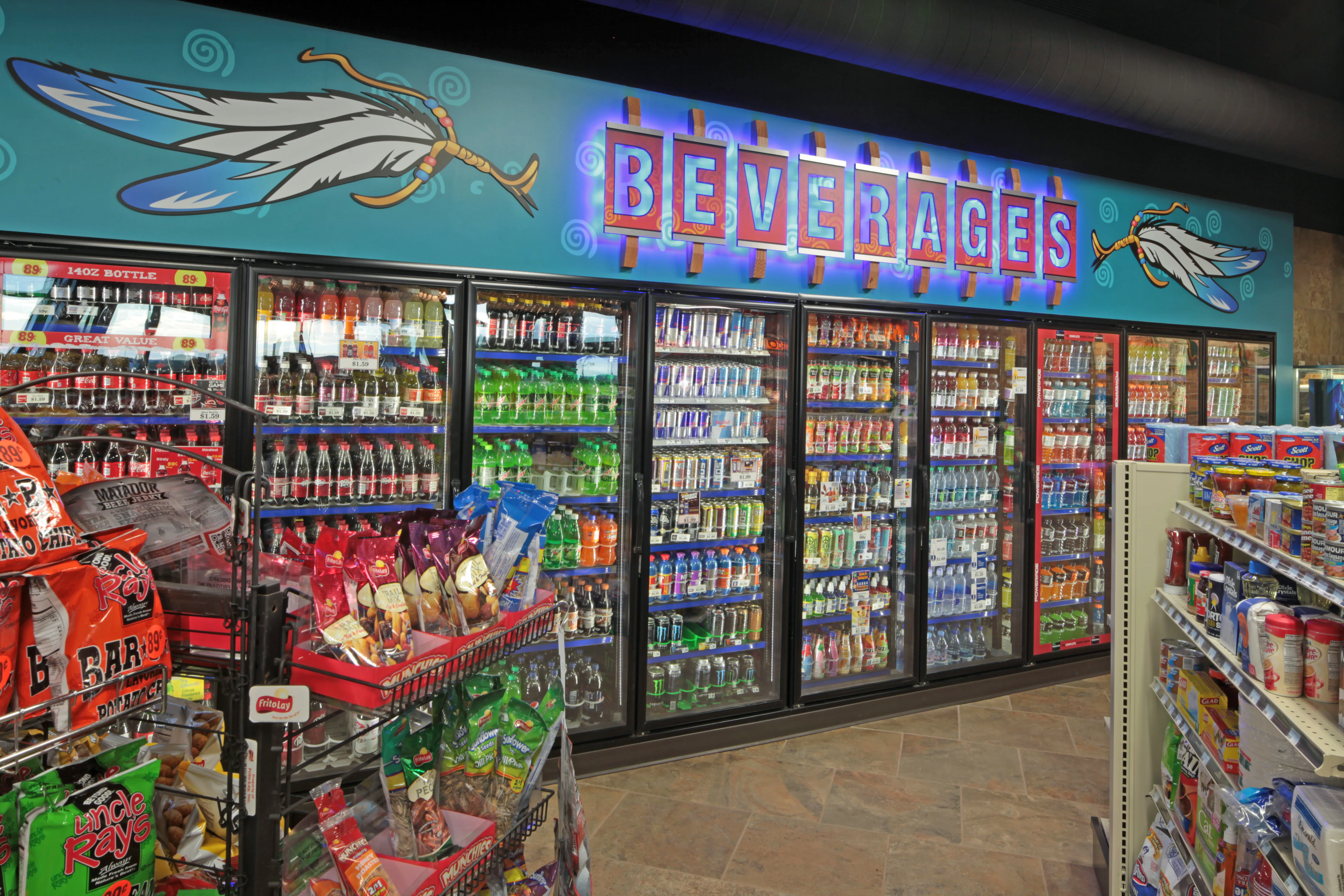
Reach-In Coolers
by JayCompDevelopment | March 15, 2024
Need this for an actual project? JayComp Development — 24+ years, 2,500+ completed projects.
With an unwavering commitment to providing unparalleled services and products, JayComp Development stands as your strategic partner in optimizing your convenience store's refrigeration infrastructure. Not only do we sell reach-in coolers, but we can install the coolers for you. Don’t be afraid to reach out to discuss possible reach-in cooler orders and installation with one of our trusted experts.
Ready to plan your project?
Talk to a JayComp expert about your build
Walk-in coolers, refrigeration systems, store equipment, and full convenience-store design — quoted to your exact specs. 24+ years in business. 2,500+ completed projects nationwide. No high-pressure sales, just honest engineering.
Request a quote
9310 OK-1 S, Ravia, OK 73455 · sales@jaycompdevelopment.com
🥤 Reach-In Coolers
Frequently Asked Questions
What is the difference between a reach-in cooler and a walk-in cooler?
A reach-in cooler is a standalone refrigerated cabinet that sits on the sales floor — you open the door and grab products. A walk-in cooler is a room-sized insulated box you physically walk into. Reach-ins are better for front-of-house display; walk-ins are for back-of-house storage. Most convenience stores use both. Read JayComp's full comparison: walk-in vs. reach-in cooler and see why many restaurants use both.
What are the best commercial reach-in cooler brands?
Top commercial reach-in cooler brands: True Manufacturing (gold standard, excellent reliability), Turbo Air (best value, energy-efficient), Beverage-Air (strong mid-range option), and Master-Bilt (durable, well-priced). True commands a premium price but lasts 15-20 years. Browse all commercial reach-in cooler options.
Glass door vs. solid door reach-in cooler — which should I choose?
Glass door vs. solid door — it depends on location. Glass door reach-in coolers are for customer-facing display — they showcase products and drive impulse purchases. Solid door coolers are for back-of-house storage — they're more energy-efficient and less expensive. Glass door models cost 15-25% more and use 10-20% more energy. Learn about using glass door coolers and why visible refrigeration improves sales.
How much does a commercial reach-in cooler cost?
Commercial reach-in cooler prices: 1-door models ($1,500-$3,000), 2-door models ($2,500-$5,000), 3-door models ($3,500-$7,000). Glass door models cost 15-25% more. Premium brands like True command 20-30% higher prices. Energy Star-rated models may qualify for utility rebates. Learn about the cost of owning a commercial cooler and compare single vs. two vs. three-door models.
How do I maintain a commercial reach-in cooler?
Monthly maintenance checklist: (1) Clean condenser coils with a coil brush, (2) Inspect and clean door gaskets, (3) Check the door closes and self-latches, (4) Verify interior temperature, (5) Clean the drain pan, (6) Wipe down shelves. Replace gaskets when torn or compressed. Read about door gaskets and their impact on reach-in performance and best practices for cleaning commercial coolers.
Turbo Air vs. True reach-in coolers — which is better?
Comparing top reach-in cooler brands: True is the premium choice — legendary reliability, American-made, excellent resale value. Turbo Air is the best value — comparable performance, self-cleaning condenser technology, 25-35% lower price. If budget is flexible, go True. If you want maximum value, Turbo Air delivers outstanding performance per dollar. Browse all reach-in cooler brands.
What size reach-in cooler do I need?
Size selection depends on daily volume: 1-door (20-23 cu ft) — small café or food truck. 2-door (45-49 cu ft) — mid-size restaurant or small c-store. 3-door (69-72 cu ft) — high-volume restaurant or large convenience store. Learn about choosing the right cooler for your business and explore reach-in coolers for high-volume operations.
Are Energy Star reach-in coolers worth the extra cost?
Yes. Energy Star-certified reach-in coolers use 15-30% less energy, saving $100-$300/year. Over 10-15 years, that's $1,000-$4,500 in savings — more than covering the $200-$500 premium. Many utility companies offer rebates. Read about how energy-efficient reach-in coolers save money and how reach-in coolers pay for themselves.
What are common reach-in cooler problems?
The 5 most common reach-in cooler problems: (1) Not cooling properly — dirty condenser coils or refrigerant leak, (2) Excessive frost — defrost timer failure or door gasket leak, (3) Water leaking — clogged drain line, (4) Compressor running constantly — dirty coils or thermostat malfunction, (5) Door not sealing — worn gaskets. Most are preventable with regular maintenance. Learn when to call a pro for reach-in cooler repair.
Should I buy a new or used reach-in cooler?
New vs. used reach-in coolers — buy new if you need a warranty, energy efficiency matters, or it's customer-facing. Consider used if budget is extremely tight or it's for temporary use. Used coolers over 7-8 years old are risky — the compressor may be near end-of-life. New Energy Star models often cost less to own over 10 years due to energy savings. Read about why investing in quality refrigeration matters.
How do reach-in coolers help with food safety compliance?
Reach-in coolers support food safety by maintaining consistent temperatures below the 41°F danger zone, providing easy-to-read temperature displays for health inspections, organizing products on adjustable shelves for FIFO rotation, and keeping items at proper heights. Learn about how temperature control affects food quality and how proper refrigeration impacts food quality.
What's the difference between a reach-in cooler and a merchandiser?
A merchandiser is a type of reach-in cooler designed specifically for customer-facing product display — it has glass doors, interior LED lighting, and is designed to attract attention. A standard reach-in may have solid doors for back-of-house storage. In convenience stores, what you see along the beverage wall are technically glass door merchandisers. Learn about reach-in coolers for front-of-house and why visible refrigeration improves sales.
How long do commercial reach-in coolers last?
A quality commercial reach-in cooler (True, Turbo Air, Beverage-Air) lasts 10-15 years with proper maintenance. The compressor typically fails around year 8-12. Read about the evolution of commercial reach-in coolers and why older coolers cost more to operate. Extending lifespan: clean condenser coils monthly, replace gaskets promptly, and maintain your cooler regularly.
Can I install a commercial reach-in cooler myself?
Technically yes — most reach-in coolers are plug-and-play. But DIY installation has risks: voiding the manufacturer warranty, incorrect electrical connections, not allowing proper ventilation clearance, and improper leveling. Professional installation is recommended and often inexpensive ($150-$300). Learn how installation quality impacts performance and see what to expect during reach-in cooler delivery.
What reach-in coolers are best for a convenience store?
For convenience stores, the best setup is: glass door merchandisers along the beverage wall (typically 3-8 doors), a multi-deck open-air cooler for grab-and-go items, and solid door reach-ins in back-of-house. Turbo Air and True glass door merchandisers are the top choices. Pair them with a walk-in cooler behind the wall for back-stock. Browse the top 5 convenience store coolers.
See all 100+ frequently asked questions.