JayComp Development
Call Us: (877) 843-0183Get A Quote Now
Menu
JayComp Development

Walk-In Coolers – Commercial and Industrial Solutions

Walk-in coolers are an essential refrigeration solution for various industries, providing reliable cold storage for perishable goods. Commonly utilized by restaurants, grocery stores, and pharmaceutical companies, these large refrigeration units help preserve temperature-sensitive items effectively and efficiently. Walk-in coolers consist of several key components such as doors, flooring, and refrigeration units, each playing a critical role in performance and usability.

Below, we’ll explore the different types of walk-in coolers, their key features and benefits, and how tailored solutions can meet your unique requirements. You’ll also find links to helpful resources and detailed guides to make informed decisions.

Call: (877) 843-0183Free Consultation & Quote
Request Quote

Types of Walk-In Coolers

Choosing the right type of walk-in cooler depends on your application, space requirements, and operational needs. Here’s a breakdown of the main categories:

Indoor vs Outdoor

With decades of experience in the commercial refrigeration industry, our skilled team at JayComp Development has a proven track record of delivering reliable and efficient solutions tailored to meet the specific needs of businesses across Florida.

  • Indoor Walk-In Coolers 

 Indoor units are designed to be installed within a building and are often integrated into areas like kitchens, store layouts, or warehouses. These coolers are protected from weather conditions, which can prolong their lifespan. Additionally, their placement indoors can contribute to lower energy costs since outdoor temperatures won’t affect them.

  • Outdoor Walk-In Coolers 

 Outdoor units are ideal for businesses with limited indoor space. Built to withstand weather conditions, they often feature reinforced materials for durability. However, their exposure to the elements can demand additional maintenance and insulation, and temperature fluctuations outside can occasionally affect energy efficiency.

Choosing between indoor and outdoor models: 

Factors like space availability, climate, and installation costs will help determine which option is better for your business.

Commercial vs Industrial

  • Commercial Walk-In Coolers 

 These are commonly found in restaurants, convenience stores, and other low to medium-capacity establishments. They emphasize ease of use, energy efficiency, and compact designs, making them suitable for smaller-scale operations.

  • Industrial Walk-In Coolers 

 Targeted toward larger-scale applications, industrial units are built to handle high-capacity storage, long-lasting performance, and demanding conditions. They are often equipped with advanced temperature control systems and designed for heavy-duty usage in factories, warehouses, and distribution centers.

Size and performance: 

Commercial units tend to be smaller and operate within lower capacity ranges, while industrial models stand out for their high capacity and robust performance.

Modular vs Custom-Built

  • Modular Walk-In Coolers 

 Modular coolers come in predefined sizes and configurations, offering flexibility and quick installation. They are an excellent choice for growing businesses that may need to expand in the future.

  • Custom-Built Walk-In Coolers 

 For businesses with specific storage needs, custom-built options provide a tailor-made solution. From size and shape to specialized materials and features, these coolers are designed to fit unique operational requirements.

Scalability and customization: 

Modular coolers allow businesses to add sections over time, while custom-built coolers deliver solutions entirely based on your preferences.

Key Features and Benefits

Investing in a high-quality walk-in cooler involves understanding the features that enhance performance and save costs in the long run. Here are the key elements to consider:

Insulation Types

Effective insulation is critical for maintaining consistent temperatures and energy efficiency. The two most common insulation materials are:

  • Polyurethane: Known for its superior thermal resistance (R-value), polyurethane insulation minimizes energy loss and ensures temperature retention.
  • Polystyrene: While not as efficient as polyurethane, polystyrene insulation is often more affordable and lightweight, making it a good choice for budget-conscious buyers.

Temperature Range

Walk-in coolers are available in various temperature ranges to suit different needs:

  • Coolers: Typically operate between 35-40°F, ideal for food storage and beverages. 
  • Freezers: Maintain temperatures below 32°F for items that need deep freezing, such as meats and ice cream.
  • Pharma Units: Specially designed to meet precise temperature requirements for pharmaceuticals, often including backup power systems.

Panel Construction

Panels are the structural backbone of your walk-in cooler. High-quality panels made from materials like stainless steel or aluminum ensure durability and long-lasting performance. Additionally, foam-injected panels provide better thermal efficiency, reducing operating costs. Look for seamless construction that minimizes air leakage.

Compliance Certifications

Certifications like NSF (National Sanitation Foundation) and USDA (United States Department of Agriculture) ensure that your walk-in cooler meets important health, safety, and food storage regulations. Make sure your cooler is compliant with these standards, particularly if you’re in the food or healthcare sectors.

Components and Accessories

Doors

High-quality doors like Styleline models offer options such as glass, solid, and reach-in designs while prioritizing energy efficiency. Learn more here: /walk-in-coolers/styleine-doors.  

Flooring

Choose from aluminum tread plates, resin surfaces, or insulated floors to optimize durability and hygiene. Explore flooring options here: /walk-in-coolers/flooring-options.

Refrigeration Units

Top-mount and side-mount refrigeration units are the heart of your cooler. Find out about sizing and compatibility here: /walk-in-coolers/refrigeration-units.

Why Choose Us

When it comes to reliable, high-performance walk-in coolers, our solutions stand out from the competition. Here’s why customers trust us:

  • Customization Options: We tailor every cooler to your precise needs, offering modular and custom-built configurations. 
  • Energy-Efficient Solutions: Our advanced insulation materials and smart controllers help reduce energy costs significantly. 
  • Industry Expertise and Support: With years of experience serving diverse industries, we provide expert guidance and round-the-clock customer support.
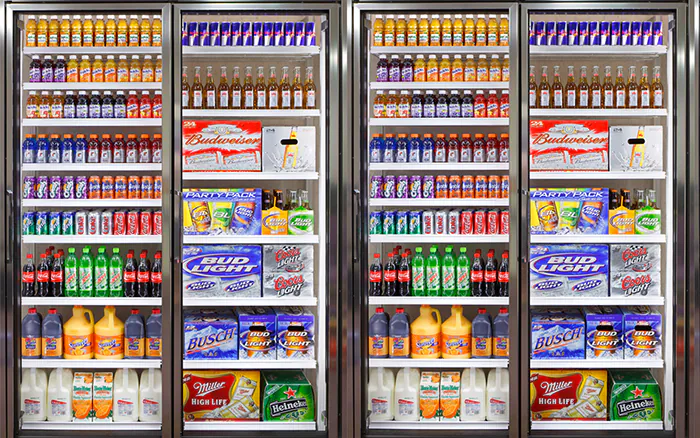
STYLELINE HDD Floor Mount 700
High Humidity Glass Doors

Helpful Resources

To further assist you in selecting, installing, and maintaining your walk-in cooler, we’ve curated a library of resources. Check out the following:

  • Buying Guide: A complete guide to selecting the right walk-in cooler. 
  • Installation Guide: Learn what to expect when installing a walk-in cooler (/walk-in-coolers/installation-guide). 
  • Case Studies: Real-world examples of customers who’ve seen success with our coolers (/walk-in-coolers/case-studies).

Start your walk-in cooler project today and experience the difference quality and expertise can make. For more information or to get a customized quote, contact us now!

Quick Contact Form

JayComp Development logo

We look forward to hearing from you! We are experts in store design and construction, foot traffic planning, walk in cooler design, and so much more. Contact Us Today!

9310 OK-1 S, Ravia, OK 73455
🧊 Walk-In Coolers

Frequently Asked Questions

How much does a walk-in cooler cost?

Walk-in cooler prices range from $8,000 to $30,000+ depending on size, features, and whether it's indoor or outdoor. A standard 8'x10' indoor walk-in cooler starts around $8,000-$12,000 for the box alone. Add $3,000-$8,000 for the refrigeration system. Glass display doors add $2,000-$5,000+. Outdoor models with weatherproof panels cost 20-30% more. Learn about budgeting for a commercial cooler.

What is the difference between a walk-in cooler and a walk-in freezer?

Walk-in coolers maintain temperatures between 35°F-41°F for fresh food, beverages, and dairy. Walk-in freezers operate at 0°F or below for frozen storage. Freezers require thicker insulated panels (typically 4-5" vs. 3-4" for coolers), a more powerful compressor, automatic defrost cycles, and heated door gaskets. Learn more about temperature zones and explore freezer installation options.

What size walk-in cooler do I need for my business?

Size depends on your inventory volume and business type. General guidelines: small restaurant or bar (6'x6' to 8'x8'), convenience store (8'x10' to 10'x12'), grocery or liquor store (10'x12' to 12'x20'+). Calculate based on 1 cubic foot of cooler space per 28-35 lbs of product. Leave 20% extra capacity for peak seasons. Always plan one size up — you'll grow into it. Explore custom walk-in cooler designs.

How does a walk-in cooler work?

A walk-in cooler uses a refrigeration cycle: a compressor pressurizes refrigerant gas, which flows through a condenser coil (outside the box) where it releases heat and becomes liquid. The liquid passes through an expansion valve, drops in pressure, and enters the evaporator coil (inside the box) where it absorbs heat and chills the air. Fans circulate the cold air throughout the insulated box. Learn about the science behind commercial refrigeration.

How long does a commercial walk-in cooler last?

A well-maintained commercial walk-in cooler box (panels, floor, doors) lasts 15-25 years. The refrigeration system (compressor, condenser, evaporator) typically lasts 10-15 years. Door gaskets, hinges, and hardware need replacement every 3-7 years. Regular maintenance — cleaning condenser coils quarterly, checking refrigerant levels, and replacing worn gaskets — is the biggest factor in extending lifespan. Read about how regular maintenance extends cooler life.

Indoor vs. outdoor walk-in cooler: which is better?

Indoor vs. outdoor walk-in coolers — it depends on your space. Indoor walk-in coolers are protected from weather, easier to access, and less expensive. Outdoor walk-in coolers free up valuable interior floor space and are ideal when the building footprint is limited. Outdoor models require weatherproof panels, rain roofs, ramps, and outdoor-rated refrigeration. Choose indoor if you have the space; choose outdoor if floor space is at a premium. Explore walk-in cooler installation options.

What are the best walk-in cooler brands?

Top walk-in cooler brands include: Carroll Coolers (excellent custom options, strong warranty), KPS/Kysor Panel Systems (industry leader, used in major retail chains), Crown Tonka (durable commercial-grade), and others. The best brand depends on your budget, size requirements, and whether you need custom dimensions. See why brand matters when buying coolers and browse all commercial walk-in options.

How do I maintain a walk-in cooler?

Essential walk-in cooler maintenance: (1) Clean condenser coils every 90 days — dirty coils increase energy costs 25%+, (2) Inspect door gaskets monthly for tears or gaps, (3) Check evaporator for ice buildup weekly, (4) Verify thermostat accuracy, (5) Clear drain lines quarterly, (6) Keep the cooler organized so air circulates freely, (7) Schedule professional service every 6 months. Read about cooler maintenance requirements and how often to service your cooler.

What temperature should a walk-in cooler be set at?

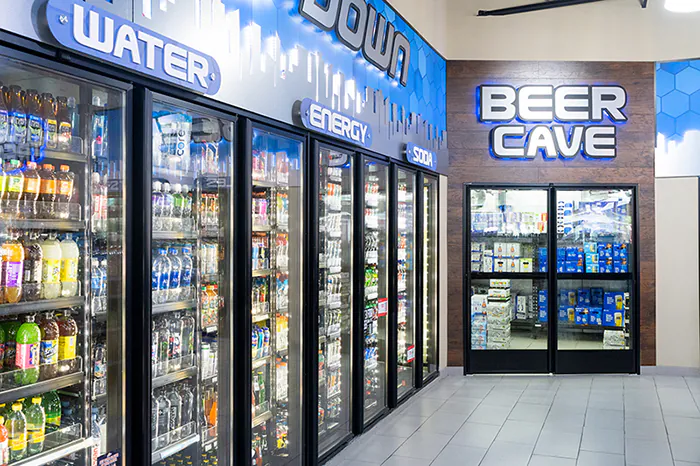
Walk-in coolers should be set at 35°F-38°F for general food storage. Never above 41°F — that's the FDA food safety danger zone threshold. Beer caves and beverage-specific coolers are typically set at 28°F-34°F for optimal serving temperature. Walk-in freezers should be set at 0°F or below. Learn more about understanding temperature zones and how temperature control affects food quality.

How do I troubleshoot a walk-in cooler that's not cooling?

Check these in order: (1) Is the compressor running? (2) Are the condenser coils dirty? Clean them. (3) Is the evaporator frosted over? Check the defrost timer. (4) Are the door gaskets sealing properly? (5) Is the thermostat set correctly? (6) Is the refrigerant level low? (7) Is the expansion valve stuck? Most issues are dirty coils or bad gaskets — both are easy fixes. Learn about walk-in cooler troubleshooting and signs your refrigeration needs repair.

Do I need a permit to install a walk-in cooler?

Yes, in most jurisdictions. You'll typically need: a building permit, an electrical permit, a plumbing permit (for condensation drain lines), and a health department inspection. Outdoor units may need additional zoning approval. Permit requirements vary by city and county — check with your local building department before starting installation. Read JayComp's guide on permits for walk-in coolers and cooler installation requirements.

What are walk-in cooler glass doors and why do I need them?

Walk-in cooler glass display doors (also called reach-through doors) are installed on the customer-facing wall of a walk-in cooler, turning it into a self-serve beverage merchandiser. Customers see and grab products without entering the cooler. Top brands include Styleline, Anthony, and CDS/Display-Rite. Glass doors increase sales by making products visible and accessible.

Styleline vs. Anthony vs. CDS display doors — which is best?

Styleline doors are the most popular — excellent LED lighting, clean aesthetics, and energy-efficient heated glass. Anthony doors are the industry legacy brand — durable, widely available, and well-supported. CDS/Display-Rite offers competitive pricing with solid performance. Styleline leads in modern store design, Anthony is the safe choice for reliability, and CDS is the value option. Compare all three on JayComp's display doors page.

How much electricity does a walk-in cooler use?

A typical 8'x10' walk-in cooler uses 3,500-5,500 kWh per year, costing roughly $350-$700 annually. Larger units (10'x20'+) can use 7,000-12,000 kWh/year. Key factors: ambient temperature, door opening frequency, condenser coil cleanliness, insulation thickness, and LED vs. fluorescent lighting. Read JayComp's guide to walk-in cooler energy efficiency and tips for lowering utility bills.

What electrical requirements does a walk-in cooler need?

Most walk-in coolers require a dedicated 20-30 amp circuit at 208/230V single-phase for the condensing unit, plus separate circuits for interior lights and evaporator fans. Read the full guide on walk-in cooler electrical requirements. The disconnect switch must be within sight of the condensing unit per NEC code. Larger units may require 3-phase power. Always have a licensed electrician handle the wiring. Learn about preparing your space for a walk-in cooler installation.

How do dirty condenser coils affect my walk-in cooler?

Dirty condenser coils are the #1 cause of walk-in cooler inefficiency. When dust, grease, and debris clog the coils, the compressor works harder, increasing energy consumption by 25-40%. This leads to higher utility bills, inconsistent temperatures, shorter compressor life, and potential food safety issues. Clean condenser coils every 90 days — more frequently in dusty environments. See our walk-in cooler maintenance guide and energy efficiency tips.

What insulation is used in walk-in cooler panels?

Walk-in cooler panels use either polyurethane or polystyrene foam insulation. Read JayComp's comparison: polystyrene vs. polyurethane insulation. Polyurethane has a higher R-value (R-7.1 per inch vs. R-4.4 for polystyrene), making it more energy-efficient. Most commercial walk-ins use polyurethane with panel thicknesses of 3.5"-4" for coolers and 4"-5" for freezers. Learn more about cooler insulation and key features to look for in a commercial cooler.

Can I use a walk-in cooler for both refrigeration and freezing?

Not with a single unit — can I use a walk-in cooler for both? Walk-in coolers (35°F-41°F) and walk-in freezers (0°F and below) require different insulation, refrigeration systems, and door configurations. However, you can install a combination unit — a walk-in box with a partition dividing it into separate cooler and freezer compartments, each with its own refrigeration system. Explore custom walk-in cooler designs from JayComp.

How do I prepare my space for a walk-in cooler installation?

Before installation, follow this checklist: preparing your space — (1) Ensure the floor can support the weight, (2) Level the floor — walk-in panels require a flat surface, (3) Run electrical to the location with proper disconnects, (4) Install plumbing for the condensate drain, (5) Ensure adequate ventilation around the condensing unit (3+ feet clearance), (6) Verify ceiling height. Avoid common installation mistakes and learn about the installation process.

What health department regulations apply to walk-in coolers?

Health department requirements include: maintaining temperatures at or below 41°F at all times, having a visible thermometer inside the unit, documenting temperature logs (usually twice daily), keeping food stored at least 6" off the floor, labeling all items with dates, and maintaining clean conditions. Learn more about meeting food compliance standards and how commercial coolers comply with health and safety regulations.

What are the pros and cons of walk-in coolers?

Pros: Large storage capacity, better organization, consistent temperatures, can double as a customer-facing display (with glass doors), long lifespan (15-25 years), and better cost-per-cubic-foot than multiple reach-ins. Cons: Higher upfront cost ($10,000-$30,000+), requires floor space and dedicated electrical/plumbing, professional installation required, and maintenance is essential. Read the full pros and cons analysis.

How do I save energy on my walk-in cooler?

Eight proven energy-saving strategies: (1) Clean condenser coils quarterly, (2) Replace worn door gaskets immediately, (3) Install LED lighting, (4) Upgrade to ECM evaporator fan motors, (5) Add strip curtains, (6) Don't overfill — air needs to circulate, (7) Keep the cooler away from heat sources, (8) Install a programmable thermostat. These steps combined can reduce energy costs by 30-50%. Also read about walk-in cooler energy efficiency and lowering utility bills.

What is the walk-in cooler installation process?

Professional walk-in cooler installation follows these steps: (1) Site survey and measurements, (2) Floor preparation and leveling, (3) Panel assembly — floor first, then walls, then ceiling, (4) Door installation, (5) Refrigeration system mounting, (6) Electrical connections, (7) Refrigerant charging and leak testing, (8) Thermostat calibration, (9) Temperature testing over 24 hours. Learn how JayComp Development installs coolers and how proper installation improves performance.

How does installation quality affect my walk-in cooler warranty?

Most manufacturer warranties require professional installation. Improper installation — like incorrect refrigerant charging, poor panel sealing, or undersized electrical circuits — will void the warranty. Common warranty-voiding mistakes: not leveling the floor, leaving gaps in panel joints, and using improper refrigerant types. See common installation mistakes to avoid and learn about which brands have the best warranties.

Why is my walk-in cooler forming ice on the evaporator?

Evaporator ice buildup is usually caused by: (1) A failed defrost timer or heater, (2) A door gasket leak letting in warm, humid air, (3) The door being left open too long during stocking, (4) Low refrigerant levels, or (5) A blocked drain line. Start by checking the defrost cycle and door gaskets — these are the most common culprits. Read the full walk-in cooler troubleshooting guide and learn about signs your refrigeration needs repair.

877-843-0183